
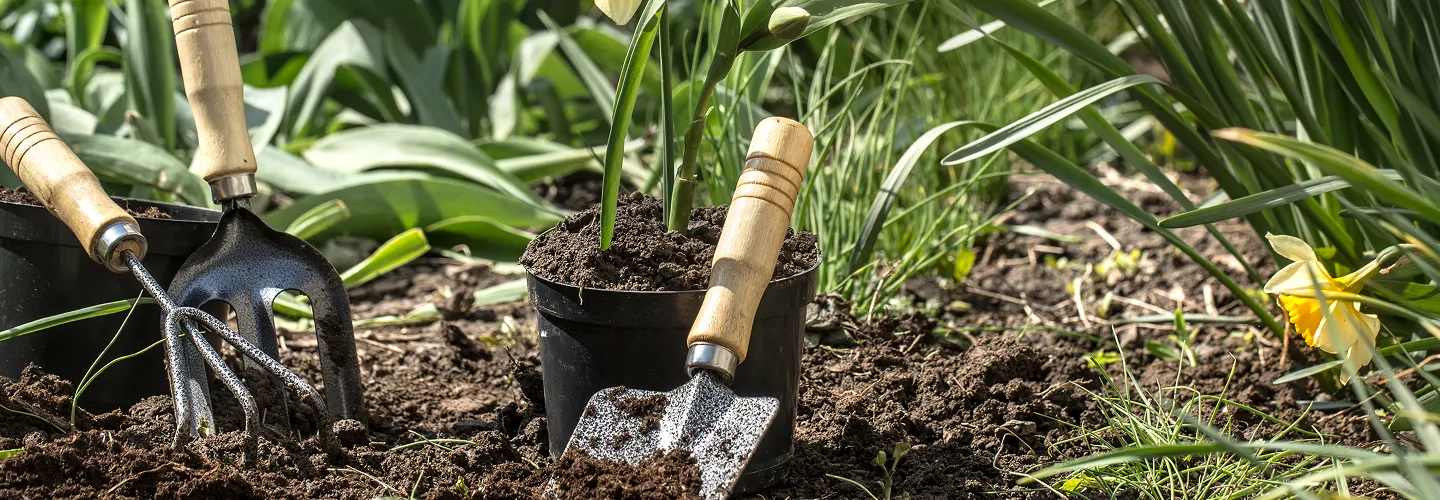
Estrella Village Flower Planting Services
Choose our Flower Planting services for expert care, vibrant selections, and a personalized approach that ensures your garden flourishes with color and beauty all season long.
Get a Free QuoteOur Estrella Village Landscaping & Yard Care Services
When to Schedule Flower Planting in Estrella Village, Arizona – Seasonal Guide
Flower planting in Estrella Village, Arizona, requires careful timing to ensure vibrant, long-lasting blooms. The region’s unique Sonoran Desert climate means that the best planting windows are typically in early spring (late February to early April) and again in the fall (late September to early November). These periods offer milder temperatures and more predictable rainfall, which help new plantings establish strong root systems before the intense summer heat arrives. Neighborhoods near Estrella Mountain Regional Park and along Lower Buckeye Road often experience microclimates, so it’s important to consider your specific location within Estrella Village.
Local environmental factors play a significant role in determining the optimal planting schedule. For example, the area’s average last frost date is in early February, but shaded yards in communities like Estrella Crossing may retain cooler soil temperatures longer. Drought risk is a constant consideration, so selecting drought-tolerant varieties and monitoring municipal water restrictions is essential. Soil in Estrella Village tends to be sandy with low organic matter, which can affect moisture retention and nutrient availability. For more detailed local gardening resources, visit the Sudbury municipal site.
Local Factors to Consider for Flower Planting in Estrella Village
- Tree density and shade coverage in your yard
- Proximity to natural landmarks like Estrella Mountain Regional Park
- Soil composition and drainage characteristics
- Annual precipitation patterns and drought advisories
- Municipal restrictions on watering and landscaping
- Terrain variations, such as slopes or low-lying areas prone to runoff
Benefits of Flower Planting in Estrella Village
Enhanced Curb Appeal
Increased Property Value
Expert Plant Selection
Seasonal Color Variety
Low-Maintenance Solutions
Eco-Friendly Landscaping
Estrella Village Flower Planting Types

Perennial Flower Beds
-
Annual Flower Displays
-
Native Wildflower Gardens
-
Pollinator-Friendly Plantings
-
Seasonal Color Rotations
-
Drought-Tolerant Flower Gardens
-
Shade-Loving Flower Arrangements
Our Flower Planting Process
Site Evaluation
Soil Preparation
Plant Selection
Careful Planting
Watering and Mulching
Why Choose Estrella Village Landscape Services
-
Estrella Village Homeowners Trust Us
-
Expert Lawn Maintenance
-
Reliable Irrigation Solutions
-
Competitive Pricing
-
Professional Team
-
Satisfaction Guarantee
-
Personalized Service
Coordinating Flower Planting Projects with Estrella Village Municipal Programs
Estrella Village is one of the designated urban villages within the City of Phoenix, and flower planting projects on residential or commercial properties should align with city planning guidance and environmental programs. The Phoenix Estrella Village Planning office provides land use and neighborhood development resources that may affect landscaping scope, particularly for properties near rights-of-way or within specific overlay districts. Property owners planning flower installations along street frontages or in common areas should verify whether site-level review applies through the planning department. The Phoenix Parks & Recreation Department also maintains standards for public-facing landscape areas, including flower beds adjacent to parks, trails, and municipal facilities. Coordination with the city's water conservation initiatives is essential, as flower planting designs should incorporate efficient irrigation methods consistent with the Arizona Department of Water Resources landscaping guidance.
Phoenix Estrella Village Planning
Official Website: Phoenix Estrella Village Planning
Phoenix Parks & Recreation Department
Official Website: Phoenix Parks & Recreation Department
How Estrella Village's Low-Desert Heat and Alkaline Soils Affect Flower Planting
Estrella Village sits in the Phoenix metro low desert, classified within USDA Hardiness Zone 10a, where summer temperatures routinely exceed 110°F and frost events are infrequent but possible between December and February. These conditions directly shape which flowering species can establish and persist. Key environmental factors include:
- Alkaline soils: Native soils in the Estrella Village area tend toward high pH levels, often above 8.0, with caliche layers or compacted subdivision fill common in newer developments, limiting root penetration and nutrient availability for many flowering plants
- Extreme radiant heat: Block walls, concrete driveways, and decomposed granite surfaces reflect and store heat, raising microclimate temperatures around flower beds well beyond ambient air readings
- Monsoon runoff: Summer storms between July and September produce intense, short-duration rainfall that can wash out newly planted beds, erode mulch, and carry sediment into nearby washes and retention basins
- Irrigation dependence: Virtually all flower plantings in this area require drip irrigation or bubbler systems, as rainfall alone is insufficient to sustain ornamental species through the extended dry seasons
Soil amendment with sulfur or organic compost may be necessary to improve nutrient uptake in highly alkaline conditions, and the USDA Web Soil Survey can help identify the specific soil series present on a given parcel.
Navigating Estrella Village's Zoning and Environmental Compliance for Flower Planting
Flower planting projects in Estrella Village generally do not require a standalone permit for standard residential beds, but several regulatory considerations apply depending on project scope and location:
- Zoning setbacks and visibility: Properties within planned developments or near intersections may be subject to sight-triangle restrictions that limit planting height along frontages; verify requirements through Phoenix Zoning & Use Permits
- Stormwater compliance: Flower bed installations that involve grading, soil import, or proximity to drainage channels must avoid directing sediment or organic debris into the municipal storm sewer system, consistent with Arizona DEQ Phase II MS4 requirements and the Clean Water Act
- Noxious weed prevention: The Arizona Department of Agriculture maintains a list of regulated noxious weeds; flower planting stock should be sourced from reputable nurseries to avoid introducing prohibited species
- Water use restrictions: Irrigation schedules for new plantings may be affected by seasonal watering restrictions imposed by Phoenix Water Services; confirm current drought-stage rules before establishing watering routines
Phoenix Office of Environmental Programs
Official Website: Phoenix Office of Environmental Programs
Timing and Methods for Flower Planting in Estrella Village's Desert Climate
Professional flower planting in the low desert follows two primary installation windows, each suited to different species groups. Proper timing and technique are critical to establishment success in Estrella Village's extreme conditions.
- Fall planting window (October–November): Ideal for cool-season annuals such as petunias, snapdragons, stock, and pansies; soil temperatures have dropped enough for root development, and plants benefit from mild winter conditions before spring heat arrives
- Late winter planting window (February–March): Suited for warm-season and desert-adapted perennials including lantana, desert marigold, angelita daisy, and salvia; these species establish roots before summer heat intensifies
- Soil preparation: Amend native soil with compost to improve water retention and reduce alkalinity; avoid planting directly into unmodified caliche or compacted fill without breaking through the restrictive layer
- Irrigation setup: Install drip emitters or bubblers before planting to ensure each root zone receives consistent moisture; overhead spray is generally discouraged due to evaporation loss and foliar burn risk
- Mulch application: Apply 2–3 inches of organic or rock mulch around plantings to moderate soil temperature, reduce evaporation, and prevent monsoon washout; keep mulch pulled back slightly from stems to prevent crown rot
Avoid planting during peak summer months (June–August) unless using fully established container stock with immediate irrigation coverage, as transplant shock in extreme heat leads to high mortality rates.
What Neighborhoods Do We Serve Throughout Estrella Village, AZ?
- Laveen: Properties in this area often feature larger lots with open desert adjacency, requiring careful species selection to withstand wind exposure and alkaline native soils common along the Salt River floodplain
- Estrella Mountain Ranch: Master-planned community with HOA landscape guidelines that frequently govern flower bed placement, approved plant palettes, and irrigation standards for front-yard installations
- South Mountain foothills: Sloped lots near South Mountain Preserve present drainage challenges for flower beds, with runoff patterns that require terracing or berming to protect plantings during monsoon events
- Baseline Road corridor: Commercial and residential properties along this corridor experience elevated reflected heat from adjacent pavement, demanding heat-tolerant species and supplemental irrigation coverage
- Dobbins Road area: Established residential neighborhoods with mature shade trees that create partial-shade microclimates, expanding the range of viable flowering species beyond full-sun desert selections